Home Window Tinting: A Smart Guide to Comfort
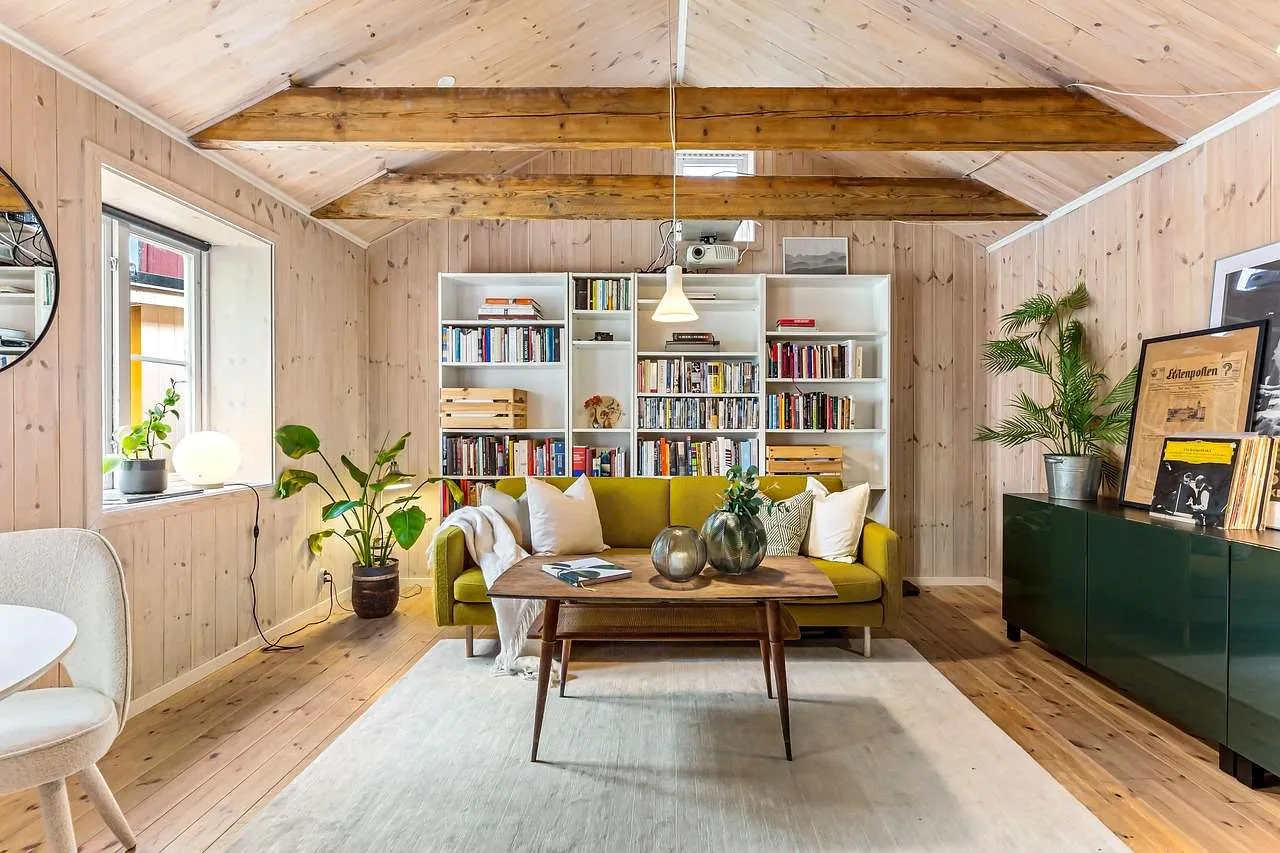
Home window tinting is a practical upgrade for residences, delivering comfort, energy efficiency, and protection from the sun's glare. By choosing the right film and a professional installation, homeowners can tailor light, privacy, and heat control to their climate and lifestyle. This guide covers what residential window film is, the benefits it provides, how to pick the best option, and what to expect during installation and maintenance.
What is home window tinting?
Home window tinting refers to applying a thin film to interior or exterior glass surfaces. The film can block infrared heat, reduce glare, protect against UV rays, and alter the amount of light that enters a room. Unlike buying new windows, tinting is a cost-effective upgrade that preserves the view while improving comfort and energy performance. Films come in various densities, colors, and levels of reflectivity, allowing customization for privacy and aesthetics.
Benefits of residential window tinting
- Energy efficiency: Lower cooling loads in hot months by reducing solar heat gain.
- UV protection: Most films block up to 99% of ultraviolet radiation, protecting furnishings and skin.
- Glare reduction: Softer daylight improves TV and computer viewing without heavy blinds.
- Privacy and aesthetics: Added privacy without entirely darkening the space, with options that suit modern interiors.
- Protection after breakage: Some films hold glass fragments together, improving safety.
How window tinting works
Window films work by filtering visible light and absorbing or reflecting infrared energy. This reduces heat transfer through glass while maintaining outward visibility. The best films balance light transmission with heat rejection, preserving natural daylight and the home’s appearance from both inside and outside.
Types of residential window films
Dyed window film
Inexpensive and straightforward, dyed films create a consistent tint and good privacy. They absorb heat primarily through light absorption but offer moderate durability and color stability. Over time they may fade or discolor in strong sun.
Metalized window film
Metalized films reflect a portion of solar energy, providing excellent heat rejection and durability. They can be slightly reflective on the exterior and may interfere with electronic signals in some cases, so professional assessment is advised.
Carbon window film
Carbon films offer strong heat rejection without excessive reflectivity. They maintain color stability and provide a natural look while blocking a high percentage of UV light.
Ceramic window film
Ceramic films are premium options that combine high heat rejection with excellent clarity and minimal reflectivity. They resist fading, are non-conductive, and preserve a neutral appearance that suits most homes.
Nanoceramic window film
Nanoceramic films use advanced materials for excellent heat control, UV protection, and color stability. They are among the most durable and clear options, though at a higher price point.
How to choose the right film for your home
Start by evaluating climate, orientation, and room use. South- and west-facing rooms gain more heat and may benefit from higher heat rejection. Consider existing glass type (double- or triple-pane) and building codes regarding tint darkness. Decide on privacy needs and whether you prefer a more reflective or neutral appearance. Look for films with a high total solar energy rejection (TSER) and UV protection, and verify warranty coverage and installation quality.
Installation considerations: DIY vs professional
DIY kits exist, but professional installation ensures proper adhesion, edge sealing, and warranty validity. A pro will measure glass, select appropriate film densities, and apply heat-setting techniques to avoid air pockets. For multi-pane windows or skylights, a licensed installer minimizes risk and ensures consistent results across the home.
Maintenance, safety, and longevity
Clean films with mild soapy water and a soft cloth; avoid abrasive cleaners and metallic scrubbers. Refrain from window cleaners containing ammonia on tinted glass. Regular inspections help catch edge lift or bubbling early, and most films last 10–20 years with proper care and professional installation.
Cost, ROI, and warranties
Residential window film typically costs between $5 and $15 per square foot installed, depending on film type, window size, and labor. The energy savings can reduce cooling costs, especially in hot climates, contributing to a favorable return over time. Look for warranties that cover adhesive integrity, coverage against bubbling, and fading of the tint.
Comparison of common residential window film types
| Type | VLT range | Heat rejection | UV protection | Durability | Typical cost | Best use |
|---|---|---|---|---|---|---|
| Dyed | 35-85% | Moderate | High | Moderate | Low | Budget projects |
| Metalized | 5-50% | High | High | High | Low to Medium | Sunny rooms |
| Carbon | 25-70% | High | High | High | Medium-High | Aesthetic and heat control |
| Ceramic | 35-65% | Very High | Very High | High | High | Premium energy efficiency |
| Nanoceramic | 35-70% | Very High | Very High | High | Higher | Premium, best visibility |
Maintenance and safety reminders
Always follow the manufacturer’s cleaning guidelines and never apply tape or adhesives to the film edges. If a window breaks, tint film can help hold shards in place, providing a safety advantage until repair or replacement occurs.
Conclusion, home window tinting delivers energy savings, UV protection, and enhanced comfort when you choose the right film, plan installation, and follow maintenance guidelines.