Small Bathroom Ideas: Smart Design Tricks
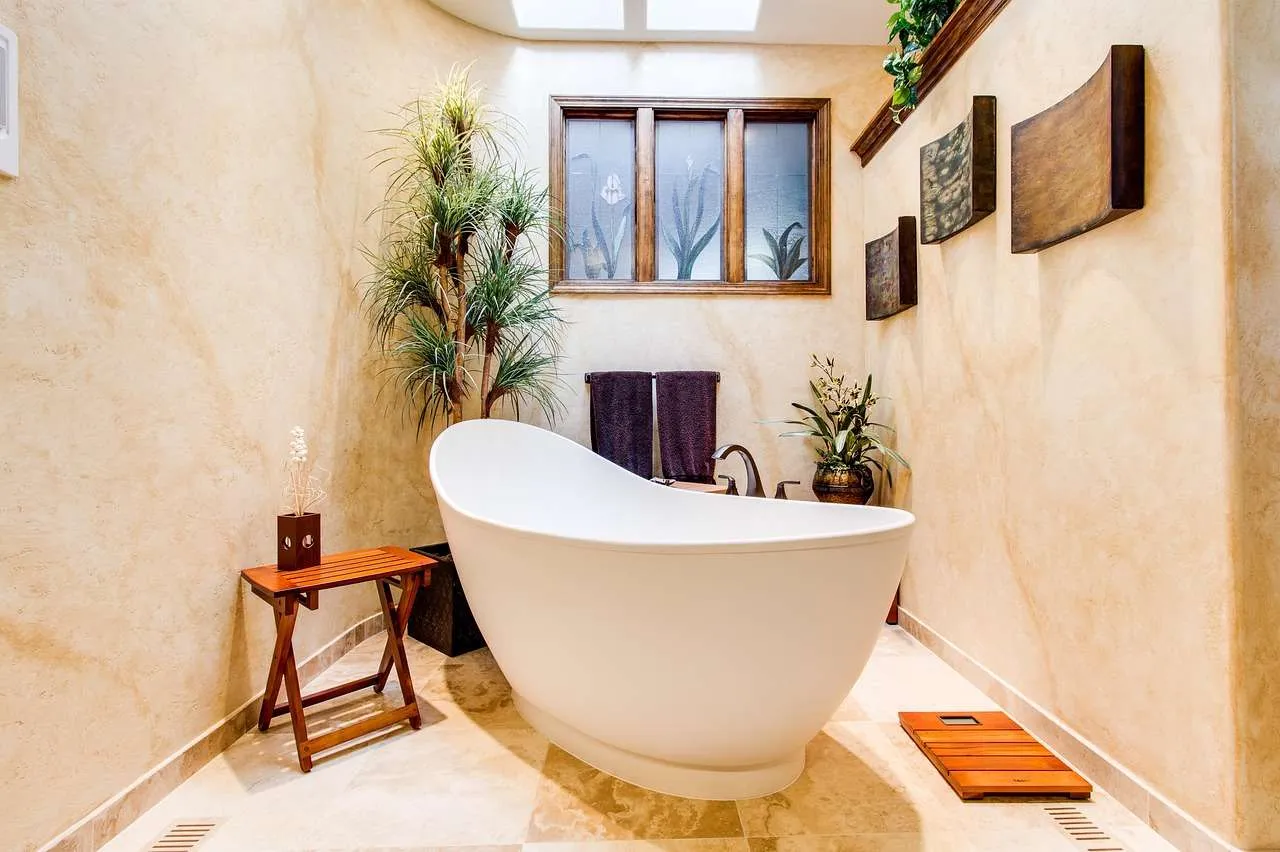
Small bathrooms present a design challenge, but they also invite creative solutions. As a designer with over ten years in bathroom renovations, I’ve helped homeowners turn compact spaces into functional, stylish rooms. This guide focuses on small bathroom ideas that maximize space, improve flow, and create a brighter, more open feel without sacrificing comfort.
Smart layout principles for small bathrooms
Start with measurements and a plan. In cramped spaces, every inch counts. Prioritize clear circulation, working zones (toilet, sink, shower), and vertical storage that keeps the floor clean and accessible.
Maximize vertical space
Use tall cabinets, open shelving above the toilet, and wall-mounted accessories. A tall medicine cabinet with mirrored doors adds storage without occupying floor area.
Choose compact footprints
Opt for a compact vanity (24–28 inches wide) and a corner or quadrant shower to free up floor space. Wall-hung items visually float and expand the perceived space.
Key design ideas for small bathrooms
Compact fixtures
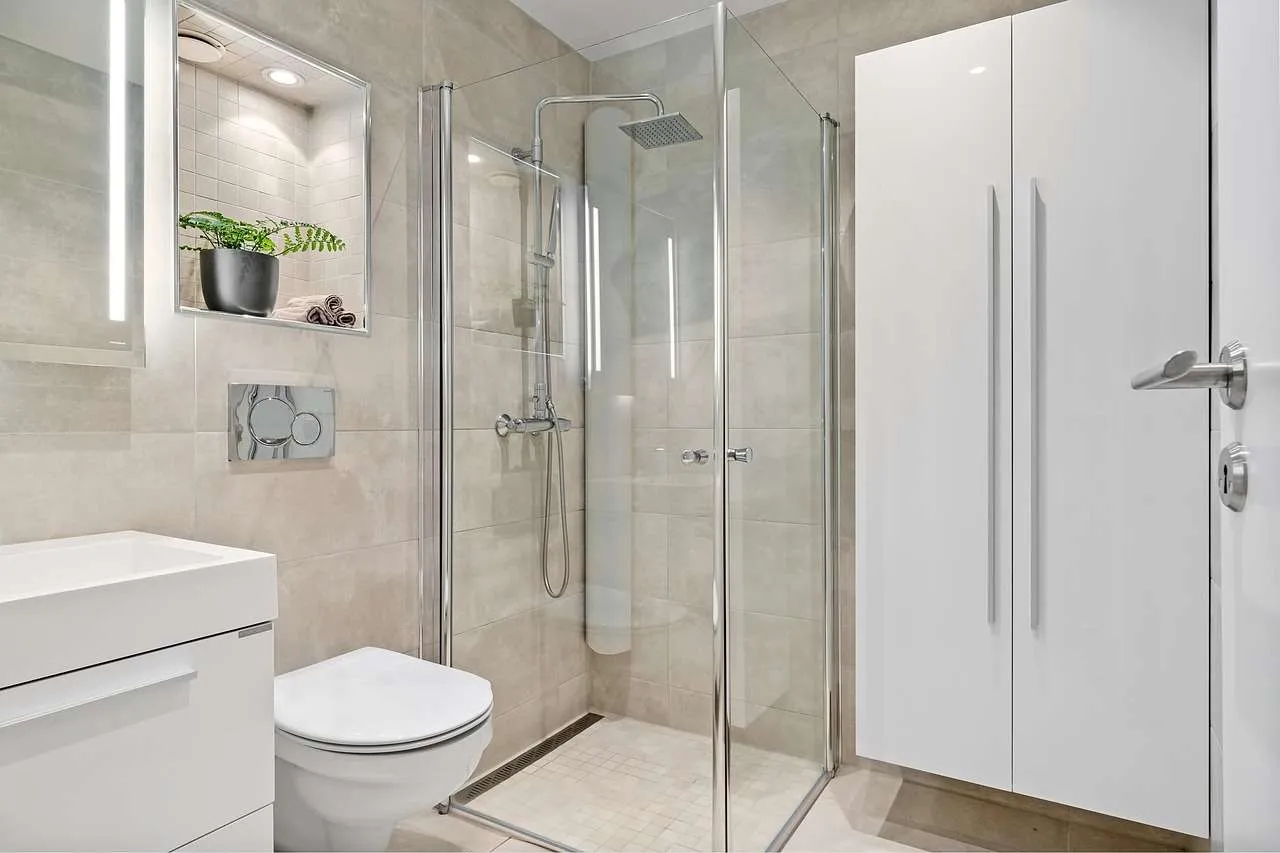
Toilet and sink fixtures should be as slim as possible. A wall-hung toilet creates an airier floor line, while a pedestal or wall-hung sink reduces bulk. If storage is a concern, consider a vanity with shallow drawers instead of a bulky cabinet.
Shower design that feels larger
A clear, frameless glass shower with a light, neutral tile palette creates an uninterrupted line of sight. A curbless or low-threshold shower reduces visual clutter and makes the room feel continuous.
Smart storage solutions
Recessed niches in the shower, floating shelves, and over-the-toilet cabinets provide storage without crowding the floor. Use baskets and dividers to keep small items organized.
Color, materials, and lighting
Light colors, glossy surfaces, and large-format tiles reflect light and expand perceived space. Combine diffuse ceiling lighting with task lighting at the vanity to eliminate shadows and improve usability.
Material choices and finishes
Moisture-resistant materials, matte vs glossy finishes, and slip-resistant flooring are essential. Choose durable porcelain or ceramic tiles, quartz countertops, and phenolic or resin boards for vanities. Consistency in material palette helps the space read as a single room rather than a series of separate zones.
Real-world ideas and quick room ideas
Case in point: a 5x7 ft bath can feel spacious with a wall-hung toilet, a 24-inch vanity, and a 32x60 inch shower. Use a single large mirror to double the perceived space, and install recessed lighting to avoid bulky fixtures. Small accents, like a frosted glass door or airy shower curtain alternatives, add personality without crowding the space.
Comparison of design options
| Option | Pros | Cons | Best For |
|---|---|---|---|
| Wall-hung toilet vs floor-mounted | Visual space, easier cleaning | Higher install cost | Very small bathrooms needing open floor feel |
| Frameless glass shower vs framed | Less visual clutter, brighter | Higher maintenance/price | Modern, open aesthetics |
| Wall-hung vanity with drawers vs pedestal | Better storage, lighter footprint | Requires plumbing access, more expensive | Storage-critical layouts |
| Curbless shower vs tub/shower combo | Maximum space, accessibility | Requires proper slope and waterproofing | Renovating to feel larger |
Incorporating these options requires measuring the space accurately, confirming door swings, and verifying plumbing lines. If in doubt, consult a licensed contractor or bathroom designer to ensure code compliance and longevity of your investments.
Conclusion, small bathrooms can be transformed into functional, stylish spaces with the right layout, compact fixtures, light colors, and effective lighting. Prioritize vertical storage, minimal floor clutter, and a cohesive material palette to create the perception of more space. With these principles, your renovation will deliver durable, comfortable results.